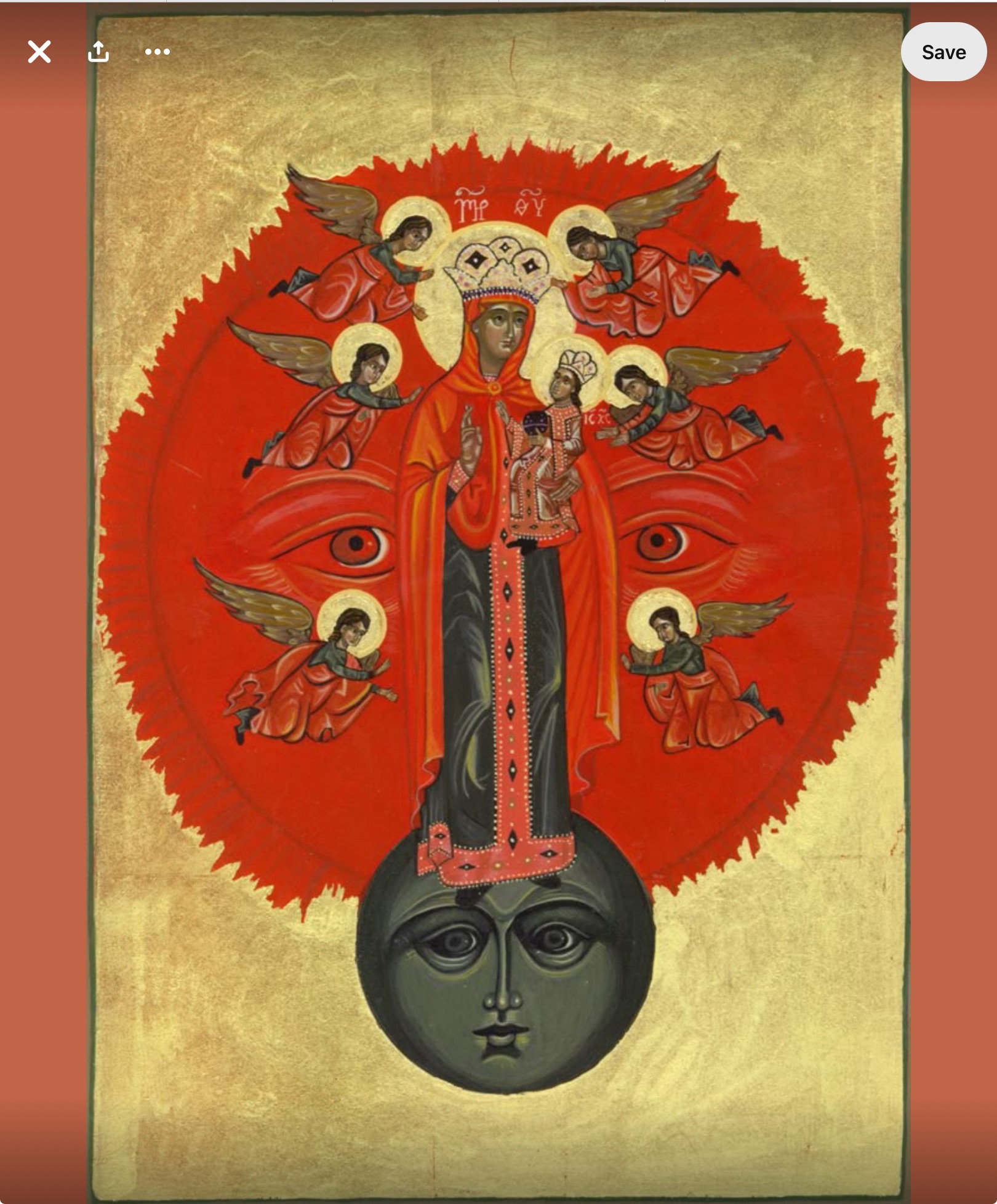
Religious iconography spans many Christian traditions, but two of the most well-known styles are Byzantine and Coptic iconography. While both traditions share common roots, they have developed distinctive artistic and theological characteristics over the centuries.
Byzantine Icons: Detailed and Formal
Originating in the Eastern Orthodox Church, Byzantine iconography is highly detailed and follows strict artistic canons. Some key characteristics include:
- Naturalistic Proportions: Faces and figures maintain a sense of realism, though still stylized.
- Use of Gold and Rich Colors: Byzantine icons often have gold leaf backgrounds to symbolize divine presence.
- Detailed Facial Expressions: Saints and Christ are depicted with deep-set eyes, high cheekbones, and somber, meditative expressions, reinforcing the spiritual depth of the subject.
- Intricate Clothing and Gestures: Icons often include folds in garments, symbolic hand gestures, and detailed ornamentation.
Coptic Icons: Simple and Bold
Coptic Christian iconography, originating in Egypt, follows a more simplified and symbolic approach:
- Flat, Two-Dimensional Style: Figures are less naturalistic, appearing frontal with minimal shading.
- Large, Expressive Eyes: Coptic icons emphasize the eyes, which are considered the windows to the soul.
- Bright, Vivid Colors: Instead of gold, Coptic icons often use warm, earthy tones, making them visually distinct.
- Symbolic Simplicity: Coptic icons focus on spiritual meaning rather than realism, often omitting excessive detail to highlight the essence of the saint’s holiness.
While both traditions aim to convey divine presence rather than earthly realism, Byzantine icons lean towards intricate detail, whereas Coptic icons emphasize simplicity and symbolic clarity.
Leave a Reply