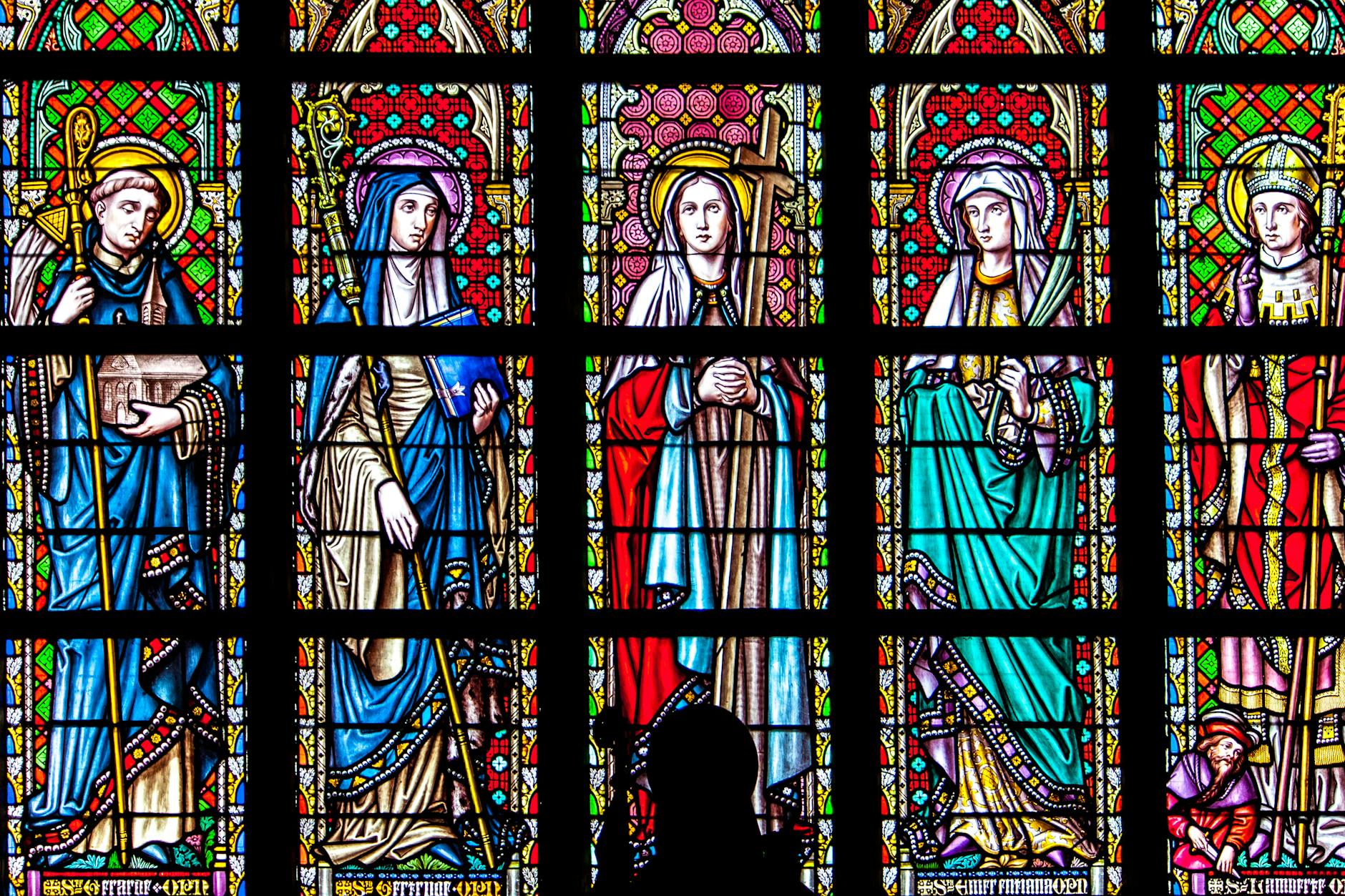
Icons are more than just paintings—they are sacred windows into the divine, created through a centuries-old process known as icon writing. Unlike typical artwork, icons are considered to be “written” rather than painted, as they communicate theological truths rather than mere artistic expression.
The Spiritual Foundation of Iconography
The creation of an icon follows a deeply spiritual process, often accompanied by prayer, fasting, and meditation. Traditional iconographers see their work as a form of devotion rather than personal artistic interpretation. Every brushstroke and color choice is intentional, rooted in centuries of tradition.
Time-Honored Materials and Methods
Classical iconography adheres to a strict methodology:
- Gessoed Wooden Panels: Icons are typically painted on wood that has been prepared with layers of gesso, ensuring longevity.
- Egg Tempera Paint: Pigments are mixed with egg yolk and water, creating a luminous, enduring finish.
- Gold Leafing: Gold backgrounds symbolize divine light and transcendence, reflecting the holiness of the depicted figure.
- Layering Process: Icons are painted in reverse order of traditional portraiture, moving from darkness to light, representing spiritual illumination.
The result is an image that is not meant to be realistic but rather a visual theology—figures appear frontal, eyes large, and perspective inverted to reflect divine presence rather than earthly reality.
Iconography remains one of the most unchanged art forms in history, passed down from master to apprentice through generations. Today, contemporary iconographers honor this tradition while also exploring new materials and expressions to make these sacred images accessible to modern audiences.
Leave a Reply