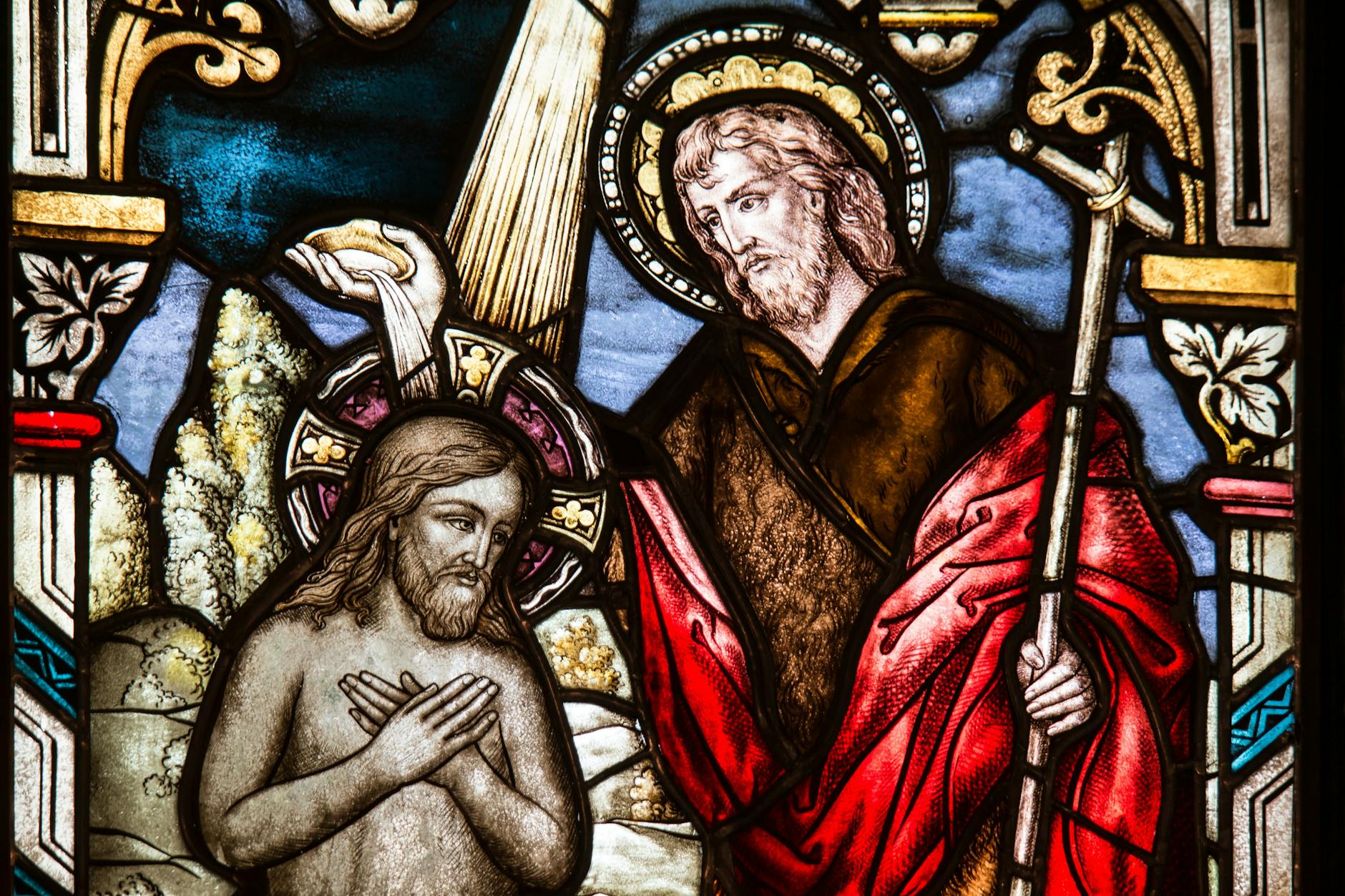
Icons are rich in symbolism, and color is one of the most powerful tools used to convey theological messages. Unlike secular art, where color choices may be based on aesthetic preference, iconography follows a strict symbolic language that has been preserved for centuries.
Key Colors and Their Meanings
- Gold: The most common background color in icons, gold represents divine light, eternity, and the presence of God. It creates a sense of timelessness, showing that the scene depicted exists beyond human history.
- Red: A symbol of divinity, sacrifice, and resurrection, red is often seen in the robes of Christ and martyr saints. It signifies both power and suffering.
- Blue: Often associated with Mary, the Mother of God, blue represents humility, purity, and the mystery of the heavens. It is a color of contemplation and divine wisdom.
- Green: The color of new life and renewal, green is frequently used in depictions of the Holy Spirit, saints, and paradise scenes.
- White: A symbol of purity and holiness, white is used for garments of resurrected saints, angels, and Christ during the Transfiguration.
- Black: Less common in icons, black represents mystery, asceticism, and the unknown. Monks and hermits are often depicted in black robes to symbolize their withdrawal from worldly concerns.
Understanding the symbolism behind these colors allows viewers to appreciate icons not just as artwork, but as spiritual texts that communicate divine mysteries through visual means.
Leave a Reply